
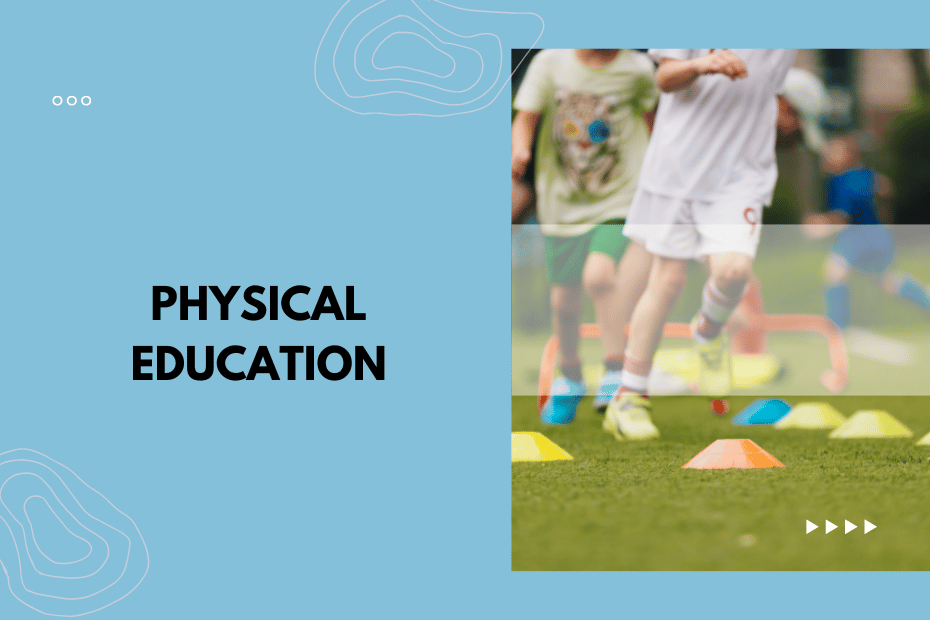
Physical education (PE) is more than just a scheduled time for students to play sports; it’s an integral part of a holistic educational experience. In the current educational landscape, where academic performance is often prioritized, the value of physical education sometimes gets overlooked. However, its benefits extend far beyond the gymnasium, influencing students’ physical health, mental well-being, social development, and academic success. This article delves into why physical education is essential in schools, underscoring its far-reaching impact on students’ lives.
Promoting Physical Health and Fitness

At the core of physical education is the promotion of physical health and fitness. Regular physical activity is crucial for children and adolescents, as it helps in the development of strong muscles and bones, improves cardiovascular health, and maintains a healthy weight. The rise in childhood obesity has made physical education more important than ever, providing structured opportunities for students to engage in physical activities that they might not otherwise pursue.
Physical education also introduces students to a variety of sports and exercises, helping them discover what they enjoy and encouraging lifelong engagement in physical activities. Whether it’s team sports like basketball or individual activities like running, PE classes help students develop a positive relationship with exercise that can last a lifetime. Furthermore, by instilling the habit of regular exercise early on, physical education helps prevent chronic diseases such as diabetes, heart disease, and osteoporosis later in life.
Enhancing Mental Well-being
The benefits of physical education extend well beyond the physical. Regular exercise has been shown to have a profound impact on mental health. It reduces symptoms of anxiety and depression, boosts mood, and enhances emotional resilience. For students, who often face academic pressures and social challenges, PE offers a much-needed outlet to relieve stress and rejuvenate their minds.
Moreover, physical activity stimulates the release of endorphins, the body’s natural mood lifters, which can help students feel more positive and energized. This boost in mental well-being can translate into better classroom behavior and improved focus on academic tasks. PE classes, by offering a break from the rigors of academic learning, allow students to return to their studies with a clearer mind and a more positive attitude.
Building Social Skills and Teamwork
Physical education is a unique environment where students can develop crucial social skills. Through team sports and group activities, students learn how to communicate effectively, cooperate with others, and work towards common goals. These experiences are invaluable in teaching students how to function as part of a team, a skill that is essential in both academic and professional settings.
Team sports also provide lessons in leadership and conflict resolution. As students take on different roles within a team, they learn how to lead, follow, and navigate conflicts. These experiences help build character and prepare students for the collaborative environments they will encounter in the future. Additionally, the social interactions in PE can help students build friendships and improve their social confidence, contributing to a more positive school experience overall.
Supporting Academic Performance
There is a common misconception that time spent in physical education takes away from academic learning. However, research has shown that physical activity can actually enhance cognitive function and support academic achievement. Exercise increases blood flow to the brain, which improves memory retention, attention, and problem-solving skills. This means that students who are physically active are often better able to concentrate and perform academically.
Studies have also found that students who participate in regular physical activity tend to have higher grades, better attendance, and a lower likelihood of dropping out of school. The skills learned in PE, such as goal-setting and perseverance, can translate into a more disciplined approach to academic work. Furthermore, the breaks provided by PE allow students to recharge, leading to better focus and productivity when they return to the classroom.
Encouraging Lifelong Healthy Habits
One of the most significant long-term benefits of physical education is its role in promoting lifelong healthy habits. PE classes teach students the importance of regular physical activity, balanced nutrition, and overall wellness. These lessons are essential for preventing health issues and promoting a healthy lifestyle as students grow into adulthood.
Physical education also provides practical knowledge about fitness and health that students can carry with them throughout their lives. By understanding how their bodies work and the benefits of staying active, students are more likely to continue engaging in physical activities outside of school and into their adult years. Schools play a pivotal role in establishing these habits, which can lead to a lifetime of better health and well-being.
Addressing the Challenges of Implementation
While the benefits of physical education are clear, implementing effective PE programs can be challenging. Schools often face limitations in resources, funding, and support, which can affect the quality and consistency of PE offerings. Additionally, there can be a lack of trained educators who are equipped to deliver high-quality physical education programs.
Overcoming these challenges requires a commitment from school administrators, teachers, and the community. Advocating for policy changes, securing funding, and fostering community partnerships are essential steps in ensuring that all students have access to high-quality physical education. Schools can also invest in professional development for PE teachers, ensuring they have the skills and knowledge to deliver engaging and effective programs.
The Future of Physical Education
As we look towards the future, the importance of physical education in schools cannot be overstated. With increasing awareness of the benefits of physical activity for both physical and mental health, it is essential that PE remains a core component of the educational curriculum. Schools should strive to provide comprehensive physical education programs that cater to the diverse needs of students, encouraging them to lead active, healthy, and fulfilling lives.
Moreover, as new research continues to highlight the connection between physical activity and cognitive function, the role of physical education in supporting academic success is becoming increasingly evident. By integrating physical education with other aspects of the curriculum, schools can create a more holistic educational experience that supports the overall development of students.
In conclusion, physical education is a crucial part of a well-rounded education. It promotes physical health, enhances mental well-being, builds social skills, supports academic performance, and encourages lifelong healthy habits. As schools continue to evolve, ensuring that physical education remains a priority will be key to fostering the development of healthy, successful individuals who are well-prepared for the challenges of the future.
(UNESCO)